

Itchy Pet Awareness Month: Why Is My Pet So Itchy? Causes and Veterinary Treatment That Can Help
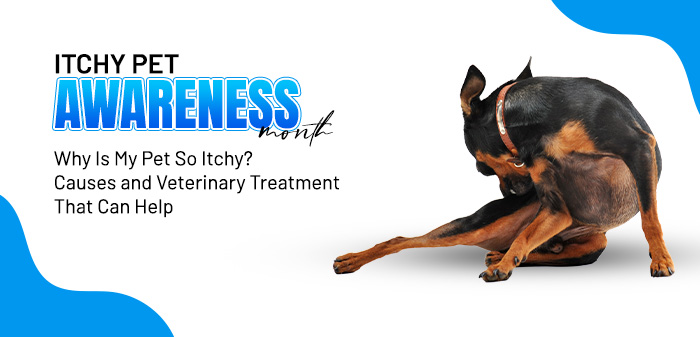
August is Itchy Pet Awareness Month, which makes this a good time to talk about a problem almost every pet parent deals with at some point. Do you notice your dog or cat scratching the same patch again and again? Itching is one of the most common reasons pet parents end up at the vet, and it’s rarely as simple as “my pet just has dry skin.” If left untreated, itchiness can make your pet very uncomfortable and affect their quality of life. However, the cause isn’t always easy to pinpoint. The good news is that most itch-related issues are manageable once you find the cause, and there are numerous ways you can help your pet. In this blog, we will discuss the causes and treatments for an itchy pet.
Read on to learn more.
Common Causes of Itchiness in Pets
Occasional itching is okay, but if you see your pet itching intensely, there could be an underlying issue that needs your close attention. There are many causes; here we have listed some:
Parasites
One of the most common reasons is external parasites. Fleas are the most common trigger of itchy skin in dogs and cats. Some pets are allergic to flea saliva, a condition called flea allergy dermatitis, so even a single flea bite can cause irritation and intense itching.
The problem is, even if you don’t see fleas, they may still cause irritation and discomfort. These are small and can be difficult to find, especially for pets with thick coats. Cats, as we know, are meticulous groomers and will often remove all visible evidence of an infestation within minutes of a bite. Other parasites, including certain mites (the cause of mange and scabies) and ticks, can also trigger similar reactions.
You should check for small black specks in your pet’s fur that may look like dirt (often called flea dirt), excessive chewing or biting of the skin, hair loss around the tail base or hind legs, and red bumps or scabs.
Allergies
Allergies are one of the leading causes of long-term itching in pets, and there are different types of allergies in pets caused by various allergens. The most common types include:
1. Environmental Allergies:
Environmental allergies develop when a pet’s immune system overreacts to pollen, mold, dust, grass, smoke, dander, and other environmental substances. This allergy tends to be a lifelong sensitivity rather than something that resolves on its own. Unlike humans, pets may not sneeze or get watery eyes often when they come in contact with allergens. Instead, the reaction mostly shows up on the skin, especially the paws, face, ears, and belly.
2. Food Allergies
Food allergies can also contribute to itching and occur when your pet reacts to one or more ingredients in their food, most commonly a specific protein source in the food. Pets can develop food allergies at any time in their lives, even if they have been eating the same food all along. Identifying food-related allergies requires a carefully planned dietary evaluation under veterinary guidance.
The tricky part about allergies in general is that they all tend to look alike from the outside, like redness, chewing at the paws, and ear infections. Your veterinarian can help determine the most likely cause.
3. Skin Infections
Skin infections are often the result of intense itching in pets. When your dog or cat scratches excessively, it damages the skin barrier, allowing opportunistic bacteria or yeast to get deeper in the skin and grow. These secondary bacterial or yeast infections can worsen itching and create a cycle of irritation, further damaging the skin barrier. These infections can cause small red bumps, crusty, flaky skin, hair loss, and a foul odor over time.
4. Dry Skin
Your pet’s healthy skin acts as a protective barrier. Sometimes, the skin barrier is not holding onto moisture the way it should. Low humidity, harsh weather, frequent bathing, nutritional gaps, or an underlying health condition of your pet can leave their skin dry, flaky, and itchy. Also, a compromised skin barrier can make it easier for allergens and microbes to affect it.
5. Other Medical Conditions
These are less common, but hormonal imbalances such as thyroid disease or Cushing’s disease, and certain autoimmune conditions can also present as itchy, irritated skin in pets.
Treatments for Itchy Pets
Effective treatment for an itchy pet starts with a proper veterinary diagnosis, since many of these problems can appear similar on the surface. Itch relief treatments for pets depend on the reason behind the itching, and may include the following:
- Parasite treatments: Depending on the parasite, such as fleas, mites, ticks, or others, your veterinarian can help you pick out the suitable parasiticide that fits your pet’s age, weight, lifestyle, and any specific health needs. It is also important to stay consistent with flea and tick treatments for dogs & cats for their continued protection.
- Allergy management: When possible, reducing exposure to allergens can help. Depending on the cause, treatment may include immunotherapy, topical therapies, and hypoallergenic or novel protein diets. Because allergies can be ongoing, many pets need long-term allergy management.
- Skin infection treatment: To address bacterial or yeast overgrowth, your pet must be treated with vet-recommended medicated shampoos and antifungal or antibacterial treatments.
Additionally, pet parents can support their pets’ healthier skin by following these tips:
- Keep pet products, such as bedding, blankets, or pet-grooming tools, clean.
- Groom your pet regularly using gentle pet-safe products.
- Feed a high-quality diet that supports healthy skin and coat.
- Stay consistent with regular parasite preventive plans.
When you follow your veterinarian’s advice, these listed home care tips can improve your pet’s comfort alongside whatever treatment addresses the actual cause.
Final Thoughts
Itchiness can make your pet very uncomfortable, and it can be just as difficult for you to watch them struggle. Itchiness is a symptom that something is bothering your pet. When you find the reason behind itching and provide prompt treatment, it eventually helps your pet feel comfortable again. If your pet itches persistently, it’s worth contacting your veterinarian right away.