

What Cat Pregnancy Really Looks Like?
Pregnancy in cats often surprises pet parents. One day, your cat seems perfectly normal, and the next she’s eating more, sleeping longer, being cuddlier, and acting a little different. Pregnancy is both wonderful and wonderfully tiring for you and your cat. Whether the pregnancy is planned or unexpected, understanding what’s happening inside your pregnant cat’s body helps you care for her with confidence and avoid unnecessary stress for both of you.
In this guide, we will walk you through how long a cat pregnancy actually lasts, from recognizing labor signs to caring for her after delivery, in a simple, practical manner.
How Long are Cats Pregnant?
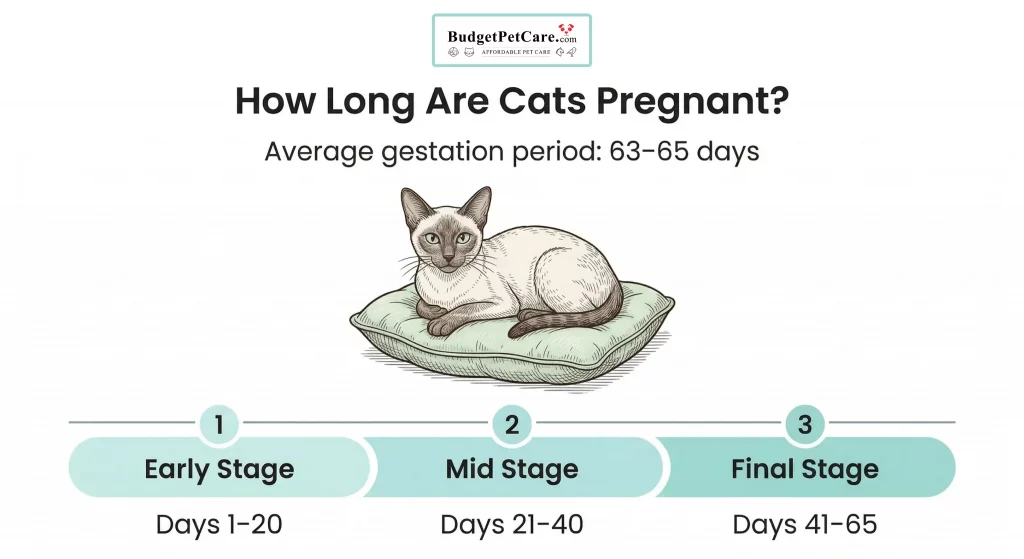
The average duration of a cat’s pregnancy is 63-67 days, which is roughly 9 weeks. Some cats may deliver a few days earlier or later without any cause for concern. A pregnancy length between 58 and 72 days can still be considered normal. Several factors can influence the duration of pregnancy in cats, including:
- Litter size (larger litters often arrive earlier)
- Whether it is the cat’s first pregnancy
- The number of kittens she’s carrying
- Breed and genetics
- Overall health and nutrition
Because cats can conceive quickly and early signs are subtle, many pet parents don’t realize their cat is pregnant until several weeks into the pregnancy. By that time, significant changes in the cat’s body may already be occurring.
How to Tell if a Cat is Pregnant?
Early pregnancy signs in cats are often mild and easy to miss. Most signs become noticeable around 3-4 weeks into the pregnancy.
Common early signs include:
- Pink, enlarged nipples (often called “Pinking Up”, the first visible clue)
- Increased appetite
- Slight weight gain around the abdomen
- More affection or, in some cases, more solitude
- Increased sleeping
As pregnancy progresses, the belly becomes rounder and firmer, especially after week five. A veterinarian can confirm pregnancy through gentle palpation, ultrasound, or X-rays (later stages only).
Stages of Cat Pregnancy
A cat’s pregnancy progresses quickly and can be divided into three stages, each with its own changes and care needs.
First Trimester (Weeks 1-3)
During this early stage, fertilization occurs, and embryos begin to develop. Most cat parents will not notice any significant changes in their cats, as they behave normally during this phase.
Second Trimester (Weeks 4-6)
This is when pregnancy becomes apparent. The cat’s abdomen enlarges, nipples darken, and their appetite increases. Behavioral changes are common, such as becoming calmer and more affectionate.
Third Trimester (Weeks 7-9)
Kittens are fully developed and moving. Your cat may start nesting, grooming more often, and seeking out quiet places. Appetite may drop slightly just before labor begins.
Diet & Caring During Cat Pregnancy
One of the important things you can do to help your mum-to-be cat is to give her the nutritional support she needs. It plays a huge role in a healthy pregnancy and safe delivery.
Pregnant cats need:
- High-quality, protein-rich food
- More frequent meals as stomach space decreases
- Constant access to fresh water
Most vets recommend switching to kitten food during pregnancy and continuing while she is nursing, as it provides higher calories and essential nutrients. Just avoid:
- Raw meat, fish & eggs
- Sudden changes in food changes
- Overfeeding on treats
Gentle play is fine, but rough handling or jumping from heights should be discouraged during the later stages of pregnancy.
Vaccines & Parasite Prevention During Cat Pregnancy
Vaccinations are usually avoided during pregnancy unless specifically advised by a vet. However, parasite prevention for cats remains important, as worms, fleas, and ticks can affect both the mother and unborn kittens. You can administer vet-recommended treatment to protect your feline from these parasites.
Frontline Plus for Cats helps control fleas and ticks. However, you should consult your veterinarian before using any treatment on a pregnant or lactating cat, as individual circumstances may vary.
Signs of Labor in Cats
As labor approaches, your cat’s behavior will change noticeably. Here are the signs your cat is approaching labor:
- Nesting or hiding (scratching the chosen spot)
- Restlessness
- Loss of appetite
- Excessive licking around the genital area
- Drop in body temperature
- Clear or slightly bloody discharge from the vulva
Labor usually progresses quietly. Most cats deliver kittens without assistance. Each kitten may arrive 10-60 minutes apart, with breaks in between. Call a vet if:
- Strong contractions last more than an hour without delivery.
- There’s excessive bleeding.
- Your cat seems distressed, weak, or cries excessively.
Postpartum Cat Care
After delivery, your cat will focus entirely on her kittens. Your role is to support her environment and health. Here are some post-birth care tips:
- Keep the nesting area warm, quiet, and clean.
- Provide unlimited food and water.
- Continue feeding the kitten food while nursing.
- Avoid handling kittens too much during the first week.
Watch for warning signs such as fever, loss of appetite, foul-smelling discharge, or rejection of kittens; these require immediate veterinary attention.
Parasite control remains important post-birth, especially to protect newborn kittens. Your vet can advise which treatments are safe while nursing.
Final Thoughts
A cat’s pregnancy is a short but incredibly important period in a cat’s life. With proper preparation and gentle care, most cats handle pregnancy and giving birth naturally. And watching those tiny kittens arrive is one of the most rewarding moments any cat parent can experience. When in doubt, trust your instincts and consult your vet. Please, make sure that the mom-to-be cat and her kittens are safe, healthy, and happy.
Frequently Asked Questions:-
Surprisingly, yes. Some cats can go back into heat just a few weeks after giving birth, even while they’re still nursing.
A little nausea can happen, especially if she eats too fast or her hormones are shifting. But if it keeps happening and she seems lethargic or stops eating, call the vet.
Not exactly, at least not without a vet examination. Most cats have a few kittens, but the number can vary. First pregnancies often mean smaller litters, while experienced mums sometimes surprise you with more.
Many do. Even friendly, clingy cats can suddenly want privacy. That’s normal. Giving her a quiet corner or nesting space lets her decide when she wants company and when she doesn’t.
Vets usually suggest waiting until the kittens are fully weaned and the mum has had time to recover, which is usually around two months after birth. It’s safer for her and helps avoid another unexpected pregnancy.
